




When heavy equipment needs a major component replaced, deciding whether to complete the job on site or in a workshop can affect downtime, transport costs, safety and the time needed to return the machine to service. For operators working across Perth and nearby industrial areas, the best choice depends on the component, the machine’s condition, available lifting and access facilities, and the quality checks the job requires.
Neither option is automatically better in every situation. A planned assessment with your maintenance contractor helps match the repair to the work environment, parts availability and operational schedule.
Component changeouts in Perth: when on-site work makes sense
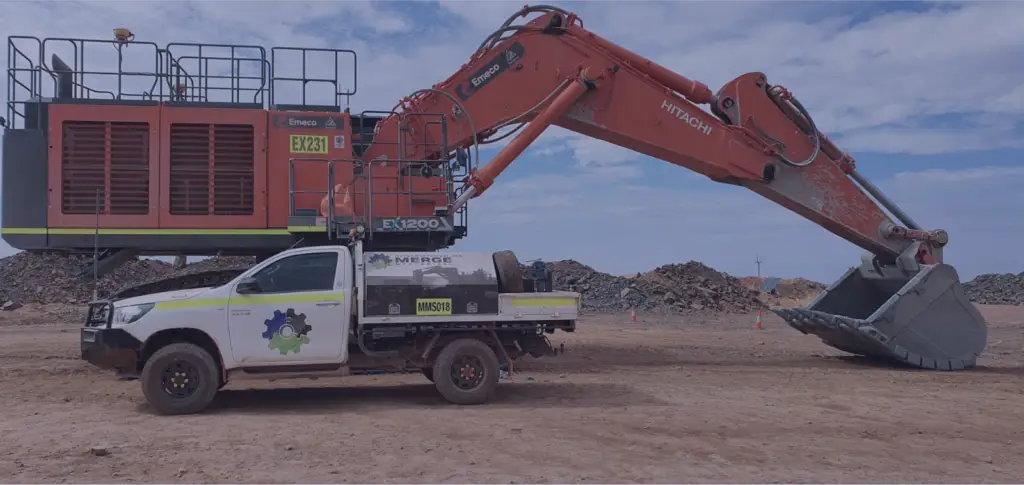
On-site component changeouts can be suitable when moving the machine would be difficult, costly or impractical, or when the component can be safely replaced at the operating location. This can be particularly relevant for heavy equipment on civil, mining, farming and transport operations.
Potential advantages include:
- Less equipment transport: Moving a large, immobile or non-roadworthy machine to a workshop may require specialist transport and planning.
- Reduced relocation downtime: Work can be carried out at the site, provided the machine is accessible and the required work can be completed safely.
- Coordination with site schedules: Changeouts may be planned around shutdowns, maintenance windows or access to equipment.
- Field support for remote assets: Mobile maintenance capability can help where suitable workshop facilities are not close by.
On-site work still depends on the job being technically suitable. The team needs a stable work area, appropriate lifting and handling arrangements, suitable tooling, parts, environmental controls and approved isolation procedures. Weather, dust, ground conditions, restricted access or site traffic may affect the plan.
When a workshop component changeout may be the better option in Perth
A workshop can be the better choice when the component needs more extensive inspection, specialist tooling, controlled working conditions, precision measurement, additional fabrication or further repairs that may be difficult to complete in the field.
Potential advantages include:
- Better access to tooling and facilities: A workshop may have lifting equipment, benches and tools suited to the component and repair method.
- More controlled work conditions: Protection from weather, dust and site interruptions can help with certain tasks.
- Inspection and follow-up work: If dismantling reveals related wear or damage, workshop facilities may make additional work easier to carry out.
- Testing and documentation: Some jobs may benefit from more extensive inspection, measurement and functional checks before the machine returns to service.
Workshop work also has trade-offs. The machine or component must be transported safely, transport availability and cost need to be considered, and removing the machine from the site may create extra downtime. The relevant question is whether the workshop’s capabilities materially improve the safety, quality or efficiency of the specific job.
Five factors to compare before choosing the location
1. Component type and job complexity
Identify the component, the reason for replacement and any connected systems that may need inspection. Confirm whether the changeout involves heavy lifting, specialist alignment, machining, fabrication, hydraulic connections, electrical work or commissioning. The method should be based on the manufacturer’s requirements and a qualified assessment, not just on which option looks quicker.
2. Parts, tooling and lifting requirements
Confirm the correct component and part numbers before scheduling the job. Discuss consumables, seals, fasteners, fluids, specialist tools and lifting equipment, and check whether they will be available at the chosen location. If an item has a long lead time or is difficult to transport, build that constraint into the plan early.
3. Downtime and total cost
Compare the full job cost, not labour alone. Include mobilisation or transport, equipment availability, site access, parts freight, the repair itself, testing and any downstream operational delays. On-site work may reduce transport needs, while a workshop may reduce complexity for certain repairs. Ask the contractor to outline the assumptions and dependencies behind the proposed schedule.
4. Safety, access and compliance
Both locations require task-specific risk assessment, suitable isolation and control of stored energy, competent personnel and appropriate lifting plans. On-site jobs may need permits, inductions, exclusion zones and coordination with the site controller. Workshop jobs need safe handling and transport arrangements as well. Do not begin until the required controls, access and approvals are in place.
5. Testing, handover and return to service
Agree on acceptance checks before work begins. Depending on the equipment and repair, these could include inspections, torque verification where specified, leak checks, diagnostic checks, functional testing and confirmation that guards and safety devices are correctly restored. Define who signs off the work, what records will be provided and how any defects found during testing will be managed.
A practical decision checklist for Perth maintenance teams
Before confirming an on-site or workshop changeout, align the following details with your maintenance contractor:
- Equipment identity, location, operating hours and description of the fault.
- Component details, reason for replacement and any related inspections needed.
- Preferred work location and the technical reasons for that choice.
- Parts, consumables, specialist tools, lifting gear and transport arrangements.
- Site access, permits, isolation requirements, environmental conditions and safe work area.
- Estimated work window, crew requirements, schedule dependencies and contingency plan.
- Testing, inspection records, handover requirements and approval to return to service.
Share service history, fault codes, photographs and any previous inspection findings before the work is booked. Useful information at the planning stage can help the contractor bring the correct parts and equipment, while reducing avoidable delays once the machine is stopped.
Component changeout support across Perth and regional WA
For mining, civil, farming and transport operations, the choice between site and workshop work should reflect the machine, component, operating conditions and required repair standard. A clear scope and early coordination help ensure the team has the right people, parts, equipment and approvals before the work starts.
Merge Mechanical Services supports heavy equipment maintenance across Perth and regional WA, including scheduled maintenance, shutdown support, component changeouts and related mechanical services. Service availability and the best work location should be confirmed for the specific asset and job.
Learn more about Merge Mechanical Services and its maintenance support, or call 1300 063 743 to discuss your component changeout requirements.
MERGE MECHANICAL PTY LTD
Workshop: 4 Lakewood Cove, Kenwick WA 6107
Phone: 1300 063 743

