


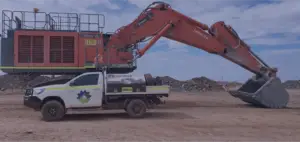


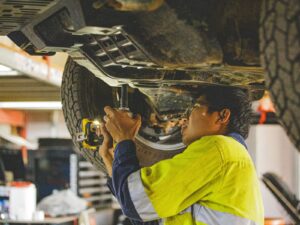


A planned shutdown is a short window to complete inspections, servicing and repairs that are difficult or disruptive to carry out while equipment is operating. For mining, civil, farming and transport businesses across Perth and regional Western Australia, preparation is what helps turn that window into productive maintenance time instead of delays caused by missing parts, unclear work scopes or unavailable personnel.
Before your next shutdown, align the work scope, people, equipment, parts, site requirements and handover process with your maintenance contractor. The earlier both teams agree on these details, the easier it is to identify constraints and make realistic decisions before equipment comes offline.
1. Agree on the scope and priorities before the shutdown
Start with a clear list of the assets and components that need work. Identify inspections, scheduled servicing, component changeouts, hydraulic repairs, electrical fault-finding, fabrication or line boring tasks where required. Separate mandatory work from work that is desirable but can be deferred if the shutdown window or budget is constrained.
- List each asset by fleet number, location and equipment type.
- Describe the reported fault or maintenance requirement, with photos or inspection notes where available.
- Rank tasks by safety risk, operational impact and maintenance priority.
- Identify work that depends on another task being completed first.
- Agree how any additional defects discovered during the shutdown will be assessed and approved.
A defined scope reduces misunderstandings, but it should not prevent the team from responding to a genuine safety issue found during inspection. Agree on a process for communicating new findings, obtaining approvals and recording any change to the plan.
2. Confirm shutdown dates, work sequence and access windows
Set the planned start and finish time, when equipment will be isolated and available, and when it must be returned to service. Check whether work can be completed in parallel or whether tasks need to follow a strict sequence. Make allowance for inspection, testing, reassembly, cleanup and operational sign-off, not just the repair itself.
Discuss access restrictions, shift changes, site transport, weather exposure and any dependencies on production, other contractors or specialist services. For regional and FIFO sites, confirm travel arrangements, mobilisation dates and realistic on-site working hours early. Avoid assuming that every trade or specialist will be available at short notice.
3. Lock in labour, competencies and supervision
Give the contractor a forecast of the work and the skills needed to perform it. Depending on the scope, this may include heavy diesel mechanics, HRT mechanics, auto electricians, hydraulic hose repair capability, fabrication or line boring specialists and supervisors. Confirm the crew size, shift pattern, point of contact and how work will be coordinated across teams.
Make sure required tickets, licences, inductions and site competencies are checked before mobilisation. If the site uses a permit-to-work system or specific competency rules, share those requirements in advance. A crew that has arrived but cannot access the site or start the assigned task can quickly put the shutdown schedule at risk.
4. Identify parts, consumables and specialist equipment
Parts delays are a common planning risk, especially when a component is specific to one machine or must be sourced from outside the region. Review the bill of materials with the contractor and identify what is already on site, what must be ordered and what needs confirmation by serial number or equipment model.
- Confirm part numbers and compatibility before ordering.
- Identify seals, filters, hoses, fittings, fasteners, fluids and other consumables needed for the planned work.
- Agree who is responsible for purchasing, freight, receiving and checking parts.
- Confirm whether lifting gear, diagnostic tools, test equipment and special tooling are available and suitable.
- Discuss contingency options for critical long-lead items and defects that may only become visible after strip-down.
For remote sites, also confirm storage conditions, delivery access, site logistics and how parts will be moved to the work area. Do not treat a part as available until its location and readiness have been verified.
5. Prepare isolation, permits and safety controls
Safety planning must be completed before maintenance starts. The site and contractor should confirm the relevant risk assessments, job safety analysis or safe work method statements, isolation and lockout/tagout process, permits, exclusion zones and communication procedures. The exact controls will depend on the equipment, site rules and task.
Make sure the responsible people know who can isolate and release each asset, how stored energy will be controlled, and what must be verified before work begins. For hydraulic systems, pressure must be safely relieved according to the equipment and site procedures. Lifting operations, hot work, work at height and other higher-risk tasks may require additional planning and authorisation.
Do not start work on equipment until the required isolation, permits and site approvals are in place. If conditions change or the scope grows, pause and review the risk controls before proceeding.
6. Set communication and change-control rules
Nominate one operational contact and one contractor lead, and agree on how progress will be reported. Short, scheduled coordination meetings can cover completed work, work in progress, blockers, parts status, new defects and decisions needed from management. Keep a written record of scope changes, approvals and schedule impacts.
Agree in advance what the team can approve on site and what requires additional authorisation. A simple change-control process helps avoid surprise costs and prevents the schedule from being changed informally without the whole team understanding the impact.
7. Plan inspection, testing and handover before work begins
Define what successful completion looks like for each task. This may include inspection results, torque records where applicable, completed service checklists, diagnostic reports, functional tests or confirmation that guards and safety devices have been reinstalled. Identify who will witness tests, review documentation and accept the asset back into service.
Handover should also list outstanding defects, temporary restrictions, follow-up repairs and recommended maintenance. Make sure operations staff understand any limits or monitoring requirements and that all records are stored where the maintenance team can find them later.
8. Keep a contingency plan and review the result
Even a well-planned shutdown can uncover hidden damage or take longer than expected. Agree on a process for prioritising newly discovered work, obtaining parts, extending the window if necessary and deciding what can be safely deferred. Protect time for testing and close-out rather than using every available hour for repair work.
After the shutdown, review the plan against actual results: which tasks finished on time, what caused delays, which parts were missing, what additional defects were found and what should change next time. Use those lessons to improve the next shutdown rather than relying on memory.
Shutdown maintenance support across Western Australia
Successful shutdowns depend on clear preparation and coordination between the site team and maintenance contractor. A useful pre-shutdown checklist covers scope and priorities, dates and sequencing, labour and competencies, parts and tooling, permits and isolations, communication, testing and handover.
Merge Mechanical Services supports heavy equipment and fleet maintenance across Perth and regional WA, with capabilities that include heavy diesel mechanical work, auto electrical support, mobile hydraulic hose repairs, scheduled maintenance, shutdown support, component changeouts, fabrication and line boring. Requirements vary by site and job, so confirm the scope, crew, mobilisation and equipment availability before locking in your shutdown plan.
Learn more about Merge Mechanical Services and its maintenance support, or call 1300 063 743 to discuss your requirements.
MERGE MECHANICAL PTY LTD
Workshop: 4 Lakewood Cove, Kenwick WA 6107
Phone: 1300 063 743

