

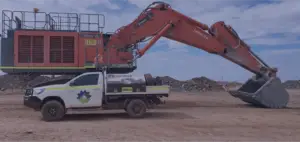

Excavators from Caterpillar, Komatsu and Hitachi are used across civil, earthmoving and industrial work, and a fault can quickly interrupt a site schedule. For machines operating around the Malaga industrial area, with nearby work and equipment movements around Wangara, Bayswater and Osborne Park, recognising early warning signs can help teams decide when to stop, inspect and arrange a proper diagnosis.
There is no single list of faults that applies to every Cat, Komatsu or Hitachi excavator. Symptoms depend on the model, hours, attachments, operating conditions and maintenance history. The areas below are common systems worth checking when a machine develops a problem, not a diagnosis for a specific model.
Common Excavator Faults in Malaga: What to Check First
1. Hydraulic Leaks or Slow Hydraulic Movement
If the boom, arm, bucket, swing or travel functions move more slowly than usual, lose power or behave inconsistently, the cause may involve the hydraulic system. Possible fault areas include low or contaminated hydraulic fluid, a leaking hose, damaged fittings, restrictions, a valve issue or a pump problem.
Look for visible hose damage, oil residue, unusual noise or a warning message from a safe position, following the machine’s inspection procedure. Never use your hand to find a hydraulic leak. High-pressure fluid can penetrate skin and cause a serious injury. If a hose is leaking or damaged, stop using the machine as required, keep people clear and arrange competent inspection.
2. Engine Overheating or Temperature Warnings
An engine temperature warning or repeated overheating needs prompt attention. Possible causes can include a cooling-system issue, restricted airflow, low coolant, a belt or fan problem, or another engine fault. The correct checks depend on the machine and manufacturer’s instructions.
If the machine shows an overheating warning, stop in a safe location and follow the operator’s manual. Do not open a hot cooling system or continue working the excavator in an attempt to finish the task. Have the cause assessed before returning the machine to service.
3. Engine Starting Problems, Loss of Power or Unusual Smoke
Hard starting, rough running, loss of power or unusual exhaust smoke can have several causes, including fuel supply, air intake, electrical, sensor or engine-system problems. These symptoms alone cannot confirm which component has failed.
Record any dashboard warnings, fault messages and the conditions in which the symptom occurs. Avoid repeatedly cranking the engine or operating under load if the machine is running abnormally. A technician can use the machine-specific diagnostic process and maintenance history to narrow down the cause.
4. Electrical Faults and Recurring Warning Messages
Intermittent starting, several warning lights appearing together, a display behaving unpredictably or electrical functions cutting in and out may point to an electrical or charging issue. Damaged wiring, loose connections, battery condition and sensor or control-system faults may need to be considered.
Do not clear a warning and assume the issue has been fixed. Note the exact message or code where possible and follow the manufacturer’s instructions. Diagnostic procedures and code meanings vary by model, so use the appropriate information for the machine being inspected.
5. Track, Travel or Swing Problems
If an excavator struggles to travel, turns unevenly, makes a new noise or has an unusual movement in its swing system, the fault may involve the undercarriage, travel drive, swing system, hydraulic supply or related components.
Do not continue operating if movement is unpredictable or the machine cannot be controlled safely. Park and isolate the equipment according to the manufacturer’s procedure and arrange an inspection by a competent person. Keep clear of moving tracks, rotating structures and attachments.
6. Unusual Noise, Vibration or Fluid Loss
New grinding, knocking, whining or vibration can indicate a mechanical or hydraulic problem, while oil, coolant or fuel leaks can point to a component or connection that needs attention. The location and timing of the symptom may help a technician investigate, but noise or fluid appearance alone is not enough to identify a failed part.
Record when the symptom started and whether it changes with engine speed, travel or attachment movement, but do not reproduce a dangerous fault just to gather more information. If there is a significant leak, smoke, burning smell or risk to safe operation, stop and seek assistance.
Why Cat, Komatsu and Hitachi Excavators Need Model-Specific Diagnosis
Although these brands share broad machine systems such as engines, hydraulics, electrical controls and undercarriages, their components, warning codes, service procedures and specifications are not interchangeable. Even two machines from the same brand can use different systems depending on model and configuration.
When arranging diagnostics, provide the make, model, serial or fleet identification if available, operating hours, displayed fault codes and recent maintenance or repair history. This information helps direct the inspection to the correct manufacturer-specific procedure instead of relying on guesswork or replacing parts unnecessarily.
Pre-Start Checks for Excavators Working Around Malaga
For excavators working in Malaga’s industrial area and nearby Wangara, Bayswater and Osborne Park, pre-start checks and maintenance records help identify changes before the machine is needed on a job. Follow the operator’s manual and the site’s inspection procedure.
- Walk around the machine from a safe position and look for visible leaks, damaged hoses, loose parts or other changes.
- Check fluid levels and service items as specified by the manufacturer.
- Inspect accessible hose covers, fittings, guards, tracks and attachments for visible damage.
- Note warning lights, fault messages, unusual noises, temperature changes or loss of performance.
- Record defects and report them promptly. If a defect may make the machine unsafe, take it out of service until it is assessed and repaired.
Never work under a raised attachment supported only by hydraulics. Follow isolation procedures and use the manufacturer-specified supports and controls. Maintenance should be performed by competent personnel, with stored energy isolated and controlled.
When Should You Stop Work and Call a Heavy Diesel Mechanic?
Stop using the excavator if there is a safety-critical warning, uncontrolled movement, a significant hydraulic leak, overheating, smoke, a serious loss of power or any fault that makes the machine unsafe. Follow the site emergency and isolation procedures, keep people away from hazards and arrange competent assistance.
Do not continue working simply because the warning disappears after restarting. Recurring faults may indicate an intermittent or developing issue, and stored diagnostic information can be useful during assessment.
Heavy Diesel Diagnostics for Excavators in Malaga
Merge Mechanical Services provides heavy diesel mechanics, auto electricians, on-site diagnostics for equipment including Caterpillar, Komatsu and Hitachi, and breakdown support through its field division. The company services mining, civil, farming and transport operations across Perth and regional Western Australia. The appropriate inspection and whether the issue can be repaired on site depend on the machine, fault, available parts and safe working conditions.
Learn more about the heavy diesel mechanic service in Perth and provide the machine details, location, symptoms and any fault messages when requesting assistance.
Final Thoughts
Hydraulic, engine, electrical, travel and undercarriage problems are all possible areas to investigate when a Cat, Komatsu or Hitachi excavator behaves differently. The symptoms are useful clues, but they do not confirm a specific failed part. Model-specific diagnostics and maintenance history matter.
Carry out pre-start inspections, report new warnings promptly and take unsafe equipment out of service. Early assessment by a competent technician can help identify the cause, plan the right repair and reduce the risk of further damage or unplanned downtime.
For general plant inspection and maintenance guidance, see Safe Work Australia’s plant and machinery guidance and Caterpillar’s hydraulic system inspection guidance. Always follow the instructions that apply to your specific machine.
Contact Merge Mechanical
MERGE MECHANICAL PTY LTD
Workshop: 4 Lakewood Cove, Kenwick WA 6107
Phone: 1300 063 743

