


Breaking down on the Kwinana Freeway can be stressful, especially with fast-moving traffic nearby. Whether you are travelling through Como, heading south toward Kwinana, or continuing toward Rockingham, Baldivis or Wellard, your first priority is to keep yourself and your passengers safe. Do not attempt to diagnose or repair the vehicle while exposed to freeway traffic.
First: What to Do If You Break Down on the Kwinana Freeway
If your vehicle develops a problem, try to leave the freeway safely if you can do so without putting yourself or others at risk. If you cannot exit, move to an emergency lane or signed emergency stopping bay when possible.
Main Roads WA advises drivers who break down on a major road or freeway to remain in the vehicle, keep their seatbelts fastened and switch on their hazard lights. If there is immediate danger or someone is injured, call 000. For advice or help with a vehicle obstructing traffic on a Perth freeway, call Main Roads on 138 138.
Read the official Main Roads WA breakdown guidance for further instructions. Follow signs and instructions from road operators or emergency personnel.
Broken Down on the Kwinana Freeway: Should You Get Out of the Car?
Do not automatically get out to inspect the engine, change a tyre or retrieve tools. On a high-speed freeway, stepping into traffic can be more dangerous than waiting for assistance. Main Roads’ guidance is to stay inside with your seatbelt fastened and hazards on while waiting when you cannot reach a safer location.
If smoke, fire or another immediate hazard makes remaining in the vehicle unsafe, use your judgement to move away from danger only if you can do so safely, and call 000 when emergency help is needed. Do not cross live lanes or stand between your vehicle and moving traffic.
What If You Stop Near the Narrows Bridge or Canning Highway?
Traffic conditions and the safest option can differ by section of the freeway. Main Roads has published guidance for the Kwinana Freeway between Canning Highway and the Narrows Bridge, including the use of signed emergency stopping bays and on-site help phones at those bays.
If your vehicle is stationary and cannot be moved safely, call Main Roads on 138 138 for advice. Keep your hazard lights on, remain restrained in the vehicle and wait for instructions or the Incident Response Service when directed. Do not try to push the vehicle across traffic lanes.
More information is available in the Main Roads Smart Freeway emergency guide.
What to Tell Roadside Assistance
Once you are in a safe situation, explain your location as clearly as possible. Include the direction of travel, the nearest exit or landmark, your lane or stopping bay if you know it, and whether the vehicle is completely off the traffic lanes.
Tell the service provider what happened: for example, whether the engine stopped, a warning light appeared, a tyre failed or the vehicle overheated. Mention smoke, fluid leaks, unusual noises or any loss of braking or steering. Do not continue driving if the vehicle may be unsafe.
If you are travelling toward industrial areas around Jandakot or farther south toward Kwinana Beach and Naval Base, share your intended destination as well. Clear details can help the provider understand your situation, although the type of fault and location determine what assistance is appropriate.
Can a Mobile Mechanic Fix a Freeway Breakdown?
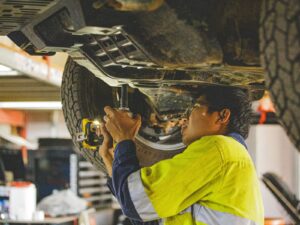
Some faults can be assessed or repaired after the vehicle has been moved to a safe location, but not every repair is suitable for a freeway shoulder. The mechanic needs a safe place to work, access to the vehicle and the right tools and parts. Some faults require towing to a workshop.
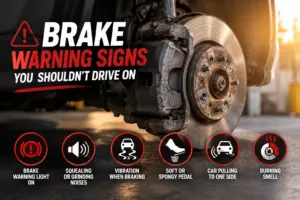
Do not attempt a roadside repair in a live lane or on a narrow shoulder. Arrange for the vehicle to be moved to a safer location first, following advice from Main Roads or emergency personnel. If the problem involves brakes, steering, overheating, oil pressure, smoke or another serious warning, do not keep driving just to reach a workshop.
Getting Breakdown Support Around Kwinana, Rockingham and Wellard
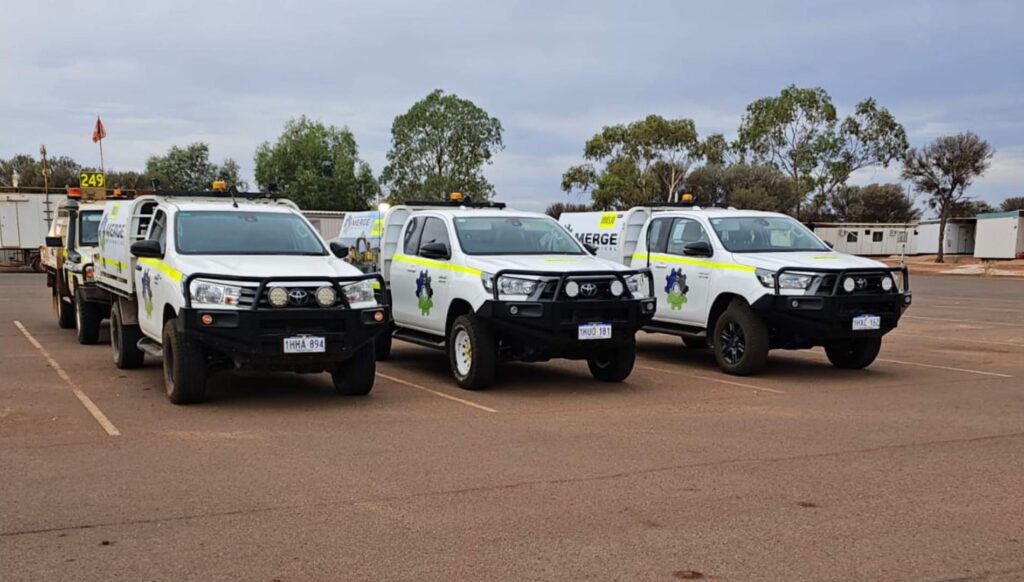
Once you and your passengers are safe and the vehicle is in an appropriate location, you can arrange mechanical assistance or recovery. Merge Mechanical Services provides 24/7 emergency breakdown support through its field division for customers across Perth and regional Western Australia. Whether the fault can be repaired on site depends on the vehicle, the problem and the working conditions.
Learn more about Merge Mechanical’s emergency breakdown support in Perth and WA and explain your location and symptoms when you make contact.
How to Reduce the Risk of a Breakdown Before Using the Kwinana Freeway
Regular maintenance cannot prevent every breakdown, but it can help identify some issues before a trip. Check your fuel level before setting off, follow your vehicle’s scheduled servicing requirements and pay attention to changes in starting, engine temperature, warning lights, tyres or vehicle performance.
If a warning appears before you enter the freeway, check the vehicle handbook and do not begin or continue the trip if the vehicle may be unsafe. For current traffic incidents and road conditions, check the official Main Roads Travel Map before travelling.
Final Thoughts
If you break down on the Kwinana Freeway, focus on safety before repairs. If possible, leave the freeway safely or reach an emergency lane or signed stopping bay. Turn on your hazard lights, keep your seatbelt fastened while waiting and call Main Roads on 138 138 for freeway assistance advice. Call 000 if there is immediate danger or serious injury.
Once you are in a safe place, provide clear location details and describe the symptoms to roadside or mechanical assistance. A proper assessment will help determine whether an on-site repair is suitable or whether the vehicle needs recovery.
Contact Merge Mechanical
MERGE MECHANICAL PTY LTD
Workshop: 4 Lakewood Cove, Kenwick WA 6107
Phone: 1300 063 743

