



When a warning light keeps appearing on your truck dashboard, it can be tempting to clear it mentally and carry on with the job. But a recurring warning is a sign that a system may need attention. Ignoring it can turn a manageable fault into unexpected downtime or a more serious mechanical problem.
The cause is not always obvious from the symbol alone. A warning light may relate to engine operation, temperature, oil pressure, charging, braking, emissions or an electrical sensor. The right response depends on the specific warning, the truck and what you notice while driving.
Why Do Truck Warning Lights Keep Coming On?
A warning that appears repeatedly can have several possible causes. The light may be reporting a genuine mechanical problem, an intermittent electrical fault or a sensor reading that needs to be investigated.
Common areas that may need checking include:
- Engine or fluid warnings: A warning related to oil pressure, engine temperature or fluid levels should be treated seriously and checked according to the truck’s handbook.
- Electrical and charging faults: Charging problems, wiring issues or a weak connection can trigger warnings or cause systems to behave unpredictably.
- Sensors and connectors: A damaged sensor, loose connector or intermittent connection may cause a warning to appear and disappear.
- Braking or air system warnings: On heavy vehicles, a brake or air-pressure warning may indicate a safety-critical issue that must be addressed before continuing.
- Emissions or after-treatment alerts: Some trucks display warnings when an engine or emissions-related system detects a fault. The required response varies by vehicle and warning message.
These are possible causes, not a diagnosis. The exact meaning of a warning depends on the truck’s make, model and system, so consult the operator’s manual and use suitable diagnostic checks rather than guessing.
Which Truck Warning Lights Should You Never Ignore?
Warning-light colours and symbols vary between vehicles, but some alerts may indicate an immediate risk to the engine or safe operation.
Oil pressure warning: If the truck indicates low engine oil pressure, pull over safely as soon as possible and follow the manufacturer’s instructions. Continuing to run an engine with inadequate oil pressure can cause serious damage.
High engine temperature: If the engine temperature warning indicates overheating, stop somewhere safe and follow the handbook’s instructions. Do not open a hot radiator or coolant reservoir cap.
Brake or air-pressure warning: Treat warnings related to braking performance or required air pressure as urgent. Do not continue operating the truck if braking or vehicle safety may be compromised.
Charging system warning: A charging warning may indicate a fault affecting the electrical supply. Follow the vehicle’s instructions and get the problem assessed promptly, especially if other systems are affected.
For any warning accompanied by unusual noise, loss of power, smoke, fluid leaks, overheating or a change in braking or steering, prioritise safety. Stop in a safe place and arrange appropriate assistance. Do not rely on colour alone; follow the truck’s handbook and displayed message.
Why Does the Same Warning Keep Returning?
If a warning disappears after restarting the truck but returns later, that does not necessarily mean the fault has been fixed. Some problems occur intermittently or only when the vehicle is under particular operating conditions.
For example, a loose electrical connection may behave differently as the vehicle vibrates, while a component may show a fault only after the engine reaches operating temperature or the truck is working under load.
Clearing a warning or switching the ignition off and on may temporarily remove the message, but it does not establish the underlying cause. Repeated warnings should be investigated, particularly when they affect engine performance, braking or other critical systems.
What Should You Do When a Warning Light Appears?
A consistent response can help you communicate the problem clearly and avoid unnecessary guesswork.
- Check the exact symbol or message. Read the dashboard display and consult the operator’s manual for the meaning and required action.
- Assess whether it is safe to continue. If the warning suggests a critical fault, or the truck shows unusual behaviour, stop in a safe place and seek assistance.
- Record what happened. Note when the warning appeared, whether it stayed on or flashed, and whether it coincided with a loss of power, unusual noise or a change in temperature.
- Avoid repeatedly clearing the warning. The stored fault information may help a technician diagnose the problem. Do not disconnect components or continue operating the truck just to make the light disappear.
- Arrange a proper diagnosis. The technician may need to inspect the affected system, wiring and connectors, and use suitable diagnostic equipment for the truck.
Why Fault Diagnosis Matters for Trucks
Heavy vehicles often work for long hours and may operate under demanding conditions. A warning light can be the first visible sign of a developing issue, but replacing a part based only on the symbol may not solve it.
A suitable diagnosis helps narrow down whether the issue is mechanical, electrical, sensor-related or associated with another system. The inspection should take into account the exact warning, the truck’s symptoms and any relevant diagnostic information.
Keep a record of recurring warnings and previous repairs. This information can help the mechanic understand whether the same fault is returning or a different issue is occurring.
How to Reduce Unexpected Truck Downtime
Warning lights cannot always be prevented, but good maintenance and early attention can help identify problems before they interrupt work.
- Follow the vehicle manufacturer’s scheduled maintenance requirements.
- Pay attention to new warning messages rather than dismissing them because they disappear.
- Report changes in engine performance, temperature, braking or electrical behaviour early.
- Make sure recurring faults are investigated and not simply cleared between jobs.
- Keep maintenance and repair records so repeat issues are easier to track.
If a truck is used for regular commercial work, early investigation can help you make a better-informed decision about the next step and avoid relying on guesswork.
When Should You Call a Heavy Diesel Mechanic?
Arrange professional support when warning lights keep returning, the fault code reappears, the engine runs differently or the cause is unclear. Treat safety-critical warnings as urgent, and do not continue driving if the truck may be unsafe or could suffer serious damage.
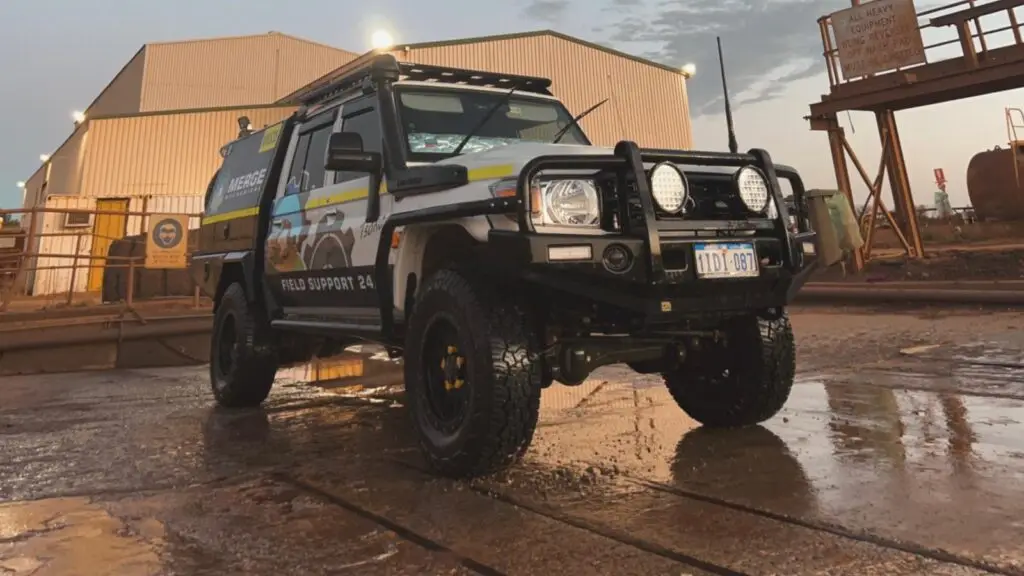
Merge Mechanical Services provides heavy diesel mechanics, auto electricians and on-site diagnostics for equipment including Caterpillar, Komatsu and Hitachi, supporting mining, civil, farming and transport operations across Perth and regional Western Australia. Its field division also supports emergency breakdowns.
Learn more about the heavy diesel mechanic service in Perth for support with truck and heavy equipment concerns.
Final Thoughts
Repeated truck warning lights should not be ignored, even when the message disappears after a restart. The cause may be electrical, sensor-related or a developing mechanical fault, and the correct response depends on the specific warning and vehicle.
Check the manufacturer’s instructions, record the symptoms and arrange a proper diagnosis. If the warning signals a serious issue or the truck is not safe to operate, stop safely and get assistance rather than risking further damage or a safety incident.

