



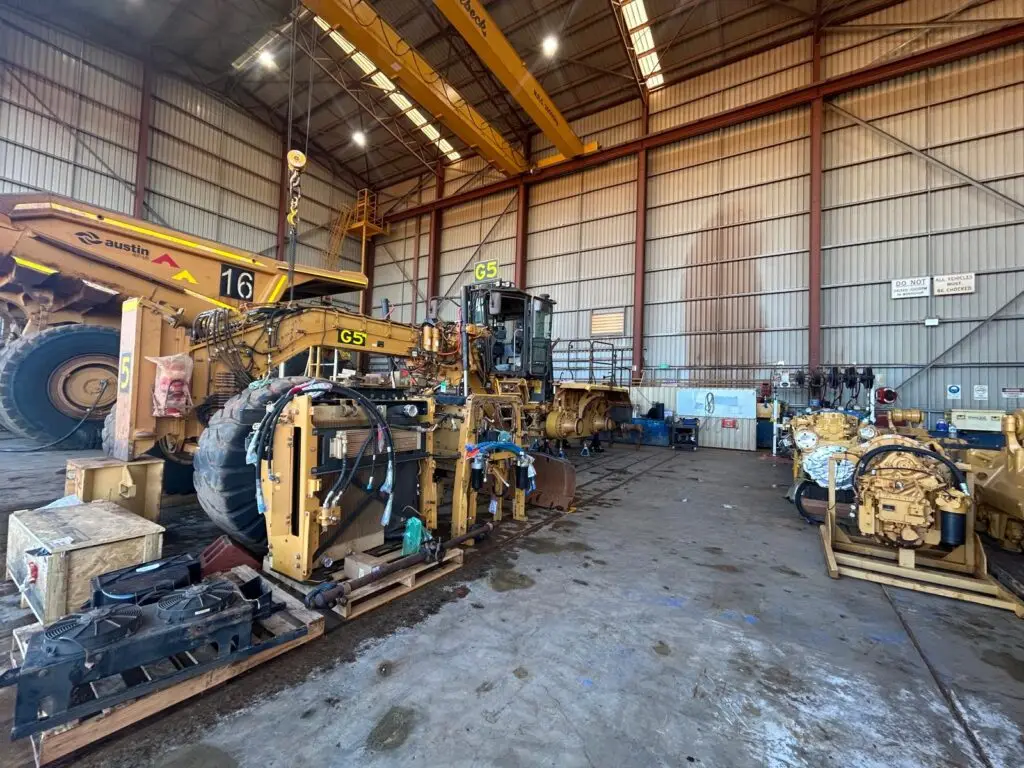
Heavy road transport vehicles help keep goods, equipment and work moving across Western Australia. When a truck develops a mechanical fault, has a recurring warning or is due for maintenance, the right support can help operators understand the problem and plan the next step. For transport and fleet operators around Kewdale, with industrial activity nearby in Welshpool, Hazelmere and Canning Vale, knowing when to call an HRT mechanic can help manage downtime and keep maintenance decisions organised.
HRT is commonly used in the industry to mean heavy road transport. The role focuses on inspecting, maintaining and repairing heavy road transport vehicles and related systems. The exact work depends on the vehicle, fault, mechanic’s qualifications and the equipment available at the site or workshop.
What Does an HRT Mechanic Do in Kewdale?
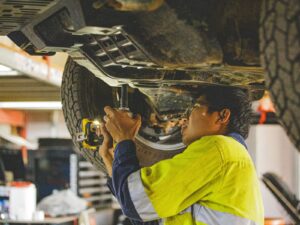
An HRT mechanic works on heavy road transport vehicles and investigates faults that affect their operation, reliability or safe use. Depending on the vehicle and the job, work may include scheduled maintenance, mechanical fault-finding, repairs and component changes.
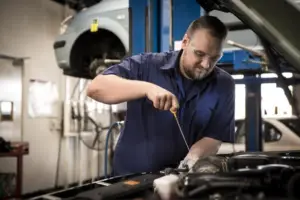
A mechanic may inspect a reported symptom, consult relevant technical information, carry out appropriate diagnostic checks and recommend the repair required. A warning light or unusual noise can have more than one possible cause, so a proper assessment is important before replacing parts or returning a vehicle to service.
Which Problems Can an HRT Mechanic Help Investigate?
Engine and Performance Issues
Hard starting, unusual noise, loss of power, overheating or a recurring engine warning can indicate that a vehicle needs inspection. These symptoms do not confirm one specific fault. The mechanic will need to consider the vehicle, the conditions in which the problem occurs and any available diagnostic information.
If the vehicle has a critical oil-pressure or temperature warning, smoke, or a fault that may make it unsafe to drive, stop somewhere safe and follow the manufacturer’s instructions rather than continuing the trip.
Braking, Steering and Other Safety-Critical Concerns
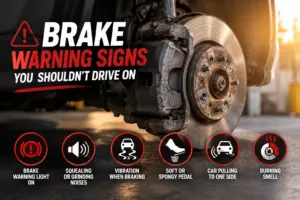
Changes in braking performance, steering, handling or other systems that affect vehicle control need prompt attention. Do not keep operating a heavy vehicle if a fault may compromise safe control. Arrange an appropriate assessment and recovery if it is unsafe to continue.
The exact inspection and repair requirements depend on the vehicle type and the problem found. A mechanic should assess the fault against the applicable manufacturer procedures and vehicle requirements.
Electrical Faults and Warning Messages
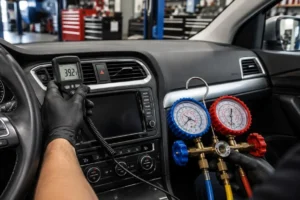
Recurring dashboard warnings, starting trouble or electrical systems that behave unexpectedly can have several possible causes, including a charging issue, wiring or connection fault, sensor problem or another system fault. Record the exact warning message and describe when it appears.
Clearing a warning or restarting the vehicle does not necessarily resolve the underlying problem. A suitable diagnostic process helps narrow down the cause.
Scheduled Maintenance and Component Changes
Planned maintenance can help identify wear or developing faults before they interrupt a vehicle’s work. The maintenance schedule should follow the vehicle manufacturer’s recommendations and account for the vehicle’s use and maintenance history.
When a component needs changing, it is also important to understand why it failed. Checking for the underlying cause can help avoid repeat faults after a replacement.
When Should You Call an HRT Mechanic?
Consider arranging mechanical support when a heavy road transport vehicle has a recurring fault, unusual performance, a warning that needs investigation, a scheduled maintenance requirement or a breakdown that needs assessment.
It also makes sense to report developing symptoms early rather than waiting until the vehicle stops working. Keep a record of warning messages, noises, changes in performance and any previous repairs. This information can help the mechanic understand what has changed and decide which checks are appropriate.
If the vehicle is stopped on a busy road or in another unsafe location, prioritise traffic and personal safety. Follow the road operator’s instructions, use appropriate roadside assistance and do not attempt a repair where people would be exposed to moving traffic or other hazards.
HRT Mechanic or General Workshop: What Should You Consider?
The right service arrangement depends on the vehicle, where it has stopped, the kind of work required and what facilities the repair needs. Some faults may be assessed or repaired at a suitable site, while others require workshop equipment, additional parts or recovery to a safer location.
When contacting a service provider, explain whether the vehicle is at a depot, worksite or roadside, whether it can be moved safely, and what symptoms or warning messages have appeared. Ask what the initial visit covers, whether diagnostic work is separate and how approval will be handled if more work is required.
Preparing Fleet Maintenance Around Kewdale, Welshpool and Hazelmere
For operators working around Kewdale, Welshpool and Hazelmere, keeping service records and reporting faults consistently can make it easier to plan maintenance across several vehicles. A simple record can include the vehicle identifier, odometer reading, date of the report, warning message, observed symptoms and work completed.
Review recurring faults rather than treating every visit as an isolated repair. If a similar problem returns, the mechanic may need to investigate a wider cause, operating condition or maintenance issue. Avoid assuming the same component is at fault without checking the symptoms and diagnostic information.
HRT and Heavy Diesel Mechanical Support in Kewdale
Merge Mechanical Services provides HD and HRT mechanics through its field division, along with 24/7 emergency breakdown support, scheduled maintenance, component changeouts and on-site diagnostics for equipment including Caterpillar, Komatsu, Hitachi and more. The field division supports mining, civil, farming and transport operations across Perth and regional Western Australia, including FIFO sites.
For an overview of Merge Mechanical’s available support, visit the Merge Mechanical services page. When enquiring, provide the vehicle or equipment details, location, symptoms and any warning messages so the team can consider the appropriate next step.
Final Thoughts
An HRT mechanic helps investigate, maintain and repair heavy road transport vehicles, with the specific work determined by the vehicle and fault. Warning lights, poor performance, unusual noises, safety-related concerns and recurring breakdowns are all reasons to seek an assessment rather than rely on guesswork.
For operators around Kewdale and nearby industrial areas, clear fault reporting and organised maintenance records can help plan the right response. If a vehicle may be unsafe to drive, stop safely and arrange appropriate assistance before continuing.
Contact Merge Mechanical
MERGE MECHANICAL PTY LTD
Workshop: 4 Lakewood Cove, Kenwick WA 6107
Phone: 1300 063 743

