


Perth’s hot weather can make a car breakdown particularly frustrating, especially when your vehicle refuses to start after sitting in the sun. You turn the key or press the start button, but the engine does not respond as expected.
The problem could be the battery, starter motor or alternator. Although these components work together to start and run your vehicle, each has a different job. Understanding the warning signs can help you identify what might be wrong and decide what to do next.
Why Won’t My Car Start in Hot Weather?
If your car will not start during a hot Perth day, the first step is to pay attention to what happens when you try to start the engine.
Does the engine crank slowly? Do you hear a clicking noise? Does the engine turn over but fail to start? Or does the vehicle start normally but struggle to restart after a short stop?
These symptoms can help narrow down the possible cause, although a proper diagnosis may be needed to confirm the fault.
1. Is Your Car Battery Failing?
The battery supplies the electrical power needed to start your engine. It also supports the vehicle’s electrical systems when the engine is switched off.
High temperatures can accelerate battery deterioration and contribute to reduced battery life. A battery that is already worn or damaged may struggle to provide enough power when you need it.
Common signs of a possible battery problem include:
- The engine cranks slowly or struggles to turn over.
- You hear rapid clicking when attempting to start the car.
- Dashboard lights appear dim or behave unusually.
- Electrical accessories are not working as expected.
- The vehicle starts after a jump-start but struggles again later.
These symptoms do not automatically mean the battery is faulty. Loose or corroded connections and other electrical problems can produce similar signs.
If your battery repeatedly struggles to start the vehicle, arrange for it to be tested rather than relying on repeated jump-starts.
2. Could the Starter Motor Be the Problem?
The starter motor uses electrical power from the battery to turn the engine over during startup. If the starter motor or its electrical circuit develops a fault, the engine may not crank even when the battery appears to have sufficient power.
Heat-related starting problems can sometimes become more noticeable after driving and stopping for a short period. However, temperature alone cannot confirm that the starter motor is responsible.
Signs of a possible starter motor fault include:
- A single click when you attempt to start the engine.
- No engine cranking despite apparently normal dashboard lights.
- Intermittent starting problems.
- The engine failing to turn over even when the battery has been checked.
A clicking sound can also indicate a weak battery or poor electrical connection. Testing the starting circuit helps distinguish between these possibilities.
Avoid repeatedly attempting to start the vehicle if it is not responding. Further attempts may drain the battery without resolving the underlying issue.
3. Is the Alternator Causing the Trouble?
The alternator generates electrical power while the engine is running and helps recharge the battery. If it fails to charge correctly, the battery may gradually lose its charge.
This can create a confusing situation: the vehicle might start normally at first, then develop starting difficulties after driving or stopping.
Possible signs of an alternator or charging-system problem include:
- A battery warning light appearing while driving.
- Headlights or electrical accessories behaving unusually.
- A battery that repeatedly loses charge.
- The engine stalling or electrical problems developing while the vehicle is running.
A weak battery and a faulty alternator can produce overlapping symptoms. A battery that keeps going flat does not necessarily need replacing, because the charging system may be responsible.
A charging-system test can help determine whether the alternator is supplying the correct charge and whether the battery is holding it.
Battery vs Starter vs Alternator: What Is the Difference?
| Component | Main job | Possible warning sign |
|---|---|---|
| Battery | Supplies power to start the engine | Slow cranking or rapid clicking |
| Starter motor | Turns the engine over during startup | Clicking or no engine cranking |
| Alternator | Generates electrical power and recharges the battery | Battery warning light or repeated loss of charge |
These are general indicators, not definitive diagnoses. Electrical connections, starter circuits and other vehicle faults can cause similar symptoms.
What Should You Do If Your Car Won’t Start in Perth?
If your vehicle will not start, follow these practical steps.
First, make sure you are safe. If you are stranded beside a busy road, move to a safe location if possible and seek roadside assistance when needed.
Next, observe the symptoms. Note whether the engine cranks slowly, clicks, turns over without starting or fails to respond entirely. This information can help a mechanic investigate the fault.
Avoid unnecessary starting attempts. Repeatedly cranking the engine can further discharge the battery.
Do not assume a replacement battery will fix everything. If the underlying issue is a faulty starter motor, alternator or electrical connection, replacing the battery alone may not solve the problem.
Finally, arrange a professional inspection if the problem persists, returns after a jump-start or occurs intermittently.
When Should You Call a Mechanic?
If your vehicle repeatedly fails to start in hot weather, or you experience electrical problems while driving, it is worth having the starting and charging systems checked.
A mechanic can assess the battery, starter motor, alternator and associated electrical connections to identify the cause rather than relying on symptoms alone.
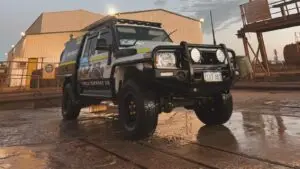
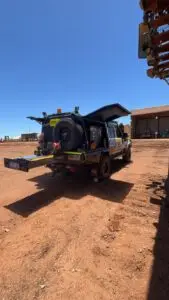
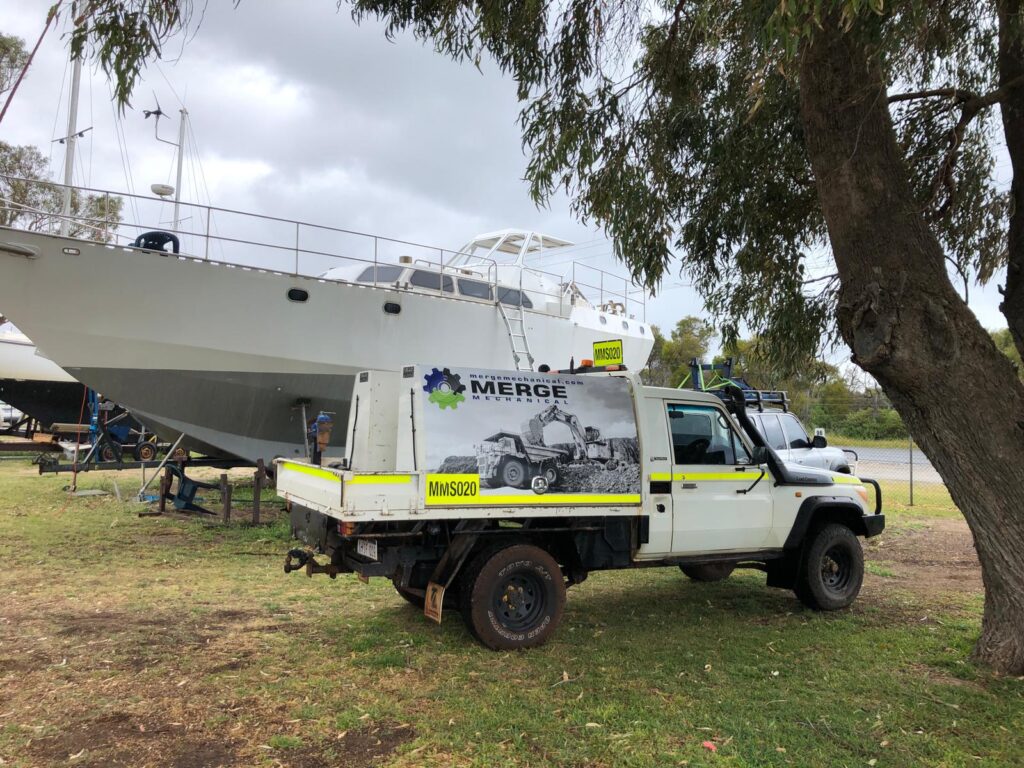
For drivers in Perth who need help with a starting or electrical fault, Merge Mechanical Services provides mobile mechanical and auto electrical services. Its field division supports vehicles and equipment across Perth and regional Western Australia, including mining, civil, farming and transport operations.
Learn more about Merge Mechanical’s mobile auto electrician service in Perth to find out about its auto electrical support.
Final Thoughts
A car that will not start during Perth’s hot weather may have a weak battery, a faulty starter motor, an alternator problem or another electrical issue.
The key is to identify the cause before replacing parts. Pay attention to the symptoms, avoid repeated unsuccessful starting attempts and seek professional assistance when the problem persists.
With the right diagnosis, you can address the underlying fault and reduce the likelihood of being caught out by another unexpected starting problem.

