


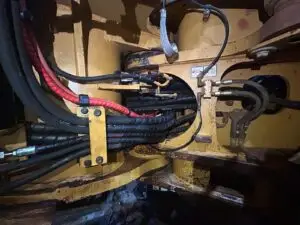
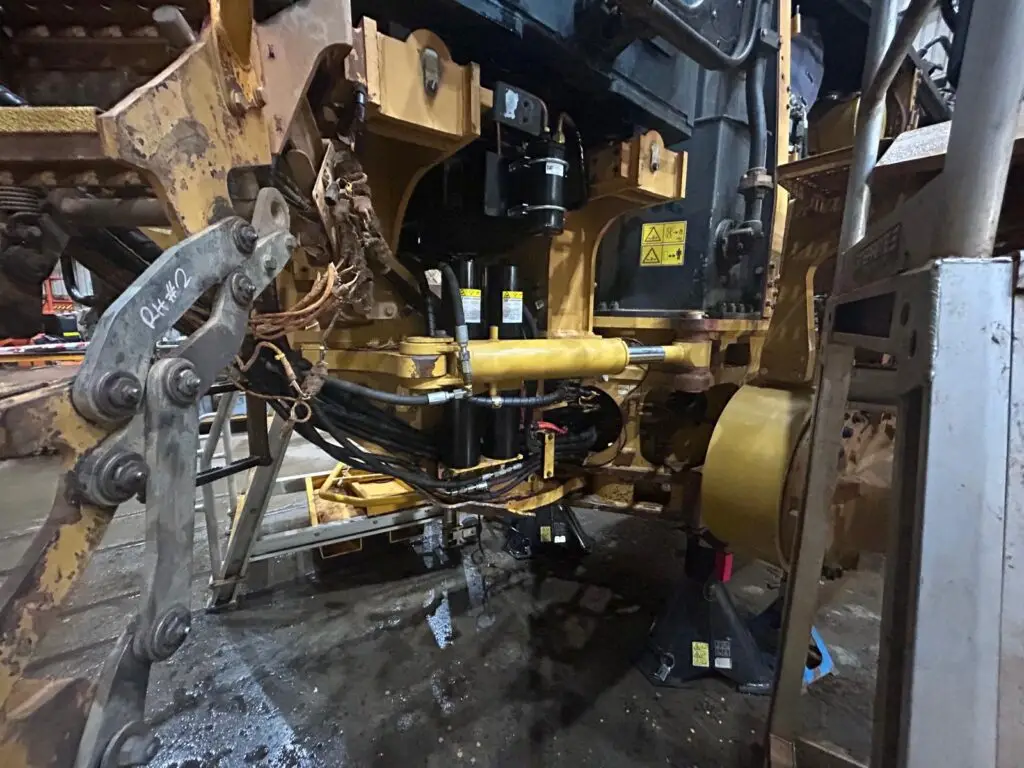
A burst hydraulic hose on plant or heavy equipment near Kwinana Beach can release hot oil under pressure, cause unexpected machine movement and create a serious fire or injury risk. If a hose fails at a worksite around Naval Base, Henderson or Hope Valley, prioritise people’s safety first. Do not rush in to inspect the leak or try to stop it by hand.
The first 10 minutes are about making the area safer, preventing further operation where it is safe to do so, raising the alarm and arranging competent assistance. The exact response depends on the machine, the site emergency plan and what can be done without approaching the hazard.
Burst Hydraulic Hose in Kwinana Beach: The First Response Steps
First Minute: Stop Work and Keep Clear
If a hose bursts, stop the task immediately. If the equipment can be shut down using its normal controls or emergency stop without exposing anyone to danger, follow the machine and site procedures. Do not approach a spraying hose, pressurised fitting or moving attachment to reach a control.
Keep people out of the hazard area. Hydraulic fluid can escape at high pressure and may penetrate skin, while a hose or fitting can move violently. A fine spray can also ignite if it contacts hot surfaces or an ignition source. Warn nearby workers and follow the site emergency response process.
Minutes 1 to 3: Secure the Area
Prevent other workers from approaching the machine and establish an exclusion zone according to the site procedure. Do not stand near the failed hose, walk through spilled oil or attempt to find the leak by touch. Never use a hand, finger, rag or glove to check for a high-pressure leak.
If the machine has a raised boom, bucket, tray or other suspended component, keep clear. Do not rely on hydraulics to hold a load in position, and do not move under or work beneath a raised attachment. Only trained and authorised personnel should carry out the required isolation and stored-pressure controls according to the manufacturer’s procedure.
Minutes 3 to 5: Raise the Alarm and Check for Injuries
Notify the site supervisor or control room and follow the workplace emergency plan. If there is a fire, serious injury or immediate danger, call 000. Keep people away until the area has been assessed and made safe.
Suspected hydraulic injection injury is a medical emergency. A tiny puncture mark or minor-looking wound can hide serious damage. If fluid may have penetrated someone’s skin, arrange immediate emergency medical care and tell responders that it may be a high-pressure hydraulic injection injury. Do not wait for swelling or pain to develop.
Minutes 5 to 10: Share Details and Arrange Qualified Help
Once the area is safe to communicate from, give the supervisor or service provider clear information. Useful details include:
- The site or exact location near Kwinana Beach, including safe access instructions.
- The machine type, make and model if known.
- Where the hose is located and what function it serves, if this can be identified from a safe position.
- Whether there is continuing fluid loss, smoke, fire, a raised load or another hazard.
- Any injury, warning messages or relevant events before the hose failed.
Do not restart the machine, cycle the controls or attempt a temporary patch. A competent technician must assess the equipment and determine how it can be safely isolated, depressurised, repaired and tested.
Why a Burst Hydraulic Hose Is More Than an Oil Leak
Hydraulic systems store energy. When a hose, fitting or connection fails, pressurised fluid can penetrate skin, spray onto hot components or cause unexpected movement of machinery. A leak can also reduce system performance and create a slip hazard on the worksite.
Do not assume that switching the engine off has removed all pressure from the system. Stored pressure can remain, and attachments may move if support or isolation is not managed correctly. Follow the manufacturer’s isolation procedure and ensure stored energy is controlled by competent, authorised people before maintenance begins.
For further safety information, read SafeWork SA’s guidance on hydraulic fluid and fittings and SafeWork NSW’s alert about hydraulic equipment and systems.
What Not to Do After a Hydraulic Hose Bursts in Kwinana Beach
- Do not search for a pinhole leak with your hand. High-pressure fluid can cause a severe injection injury, even through a small opening.
- Do not loosen fittings to release pressure. Stored pressure and unexpected component movement can cause serious harm.
- Do not work beneath unsupported attachments. A hydraulic failure can allow a boom, bucket or other component to fall or move.
- Do not restart the equipment to test it. The fault and the reason for the failure need to be assessed first.
- Do not assume a patch is a safe repair. The replacement hose, fittings, routing and pressure rating must be suitable for the equipment.
Clean-up should also wait until the machinery and area are safe and follow the site’s spill response procedures. Keep hydraulic oil away from drains and ignition sources, and use the site’s required controls and protective equipment.
Mobile Hydraulic Hose Repair Around Kwinana Beach, Naval Base and Henderson
Once the site has been secured and the equipment made safe for access, a qualified technician can assess the hose assembly and decide what repair is appropriate. The failed component may not be the only issue: abrasion, incorrect routing, heat, vibration, unsuitable fittings or operating conditions can contribute to repeat failures.
Merge Mechanical Services provides mobile hydraulic hose repair from fully stocked hydraulic trailers and supports customers across Perth and regional Western Australia. The field division also provides breakdown support and heavy diesel mechanical assistance. Whether a repair can be carried out on site depends on the equipment, parts required and safe working conditions.
Learn more about mobile hydraulic hose repair in Perth and share the machine details, site location and symptoms when requesting assistance.
How to Reduce the Risk of Another Hose Failure
After the immediate issue is resolved, have the cause reviewed before the equipment returns to service. Follow the manufacturer’s maintenance schedule and site procedures for inspecting hoses, fittings and protective guards. Look for abrasion, cuts, bulges, kinks, heat damage, corrosion and poor routing during authorised inspections.
Replacement assemblies must be suitable for the required working pressure, fluid, temperature and machine application. Check whether guards, supports or routing need attention, and record the failure and repair. Replacing a hose without investigating why it failed may leave the same risk in place.
Final Thoughts
After a burst hydraulic hose near Kwinana Beach, use the first 10 minutes to stop work, keep people away, raise the alarm, check for injuries and contact qualified help. Only shut the equipment down or operate controls where it is safe and consistent with the machine and site procedures.
Never touch a suspected leak, loosen a fitting or restart the machine to test it. Control the hazard first, treat suspected injection injuries as an emergency and allow trained personnel to isolate, depressurise, repair and test the hydraulic system before it returns to service.
Contact Merge Mechanical
MERGE MECHANICAL PTY LTD
Workshop: 4 Lakewood Cove, Kenwick WA 6107
Phone: 1300 063 743

