


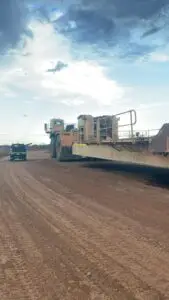

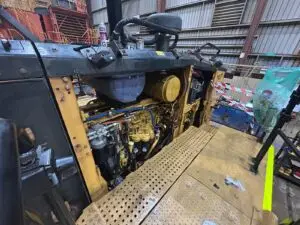
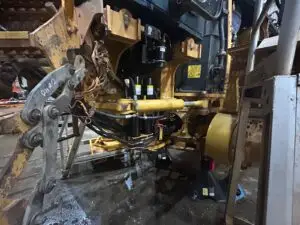
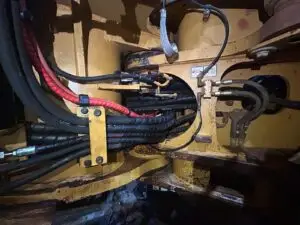
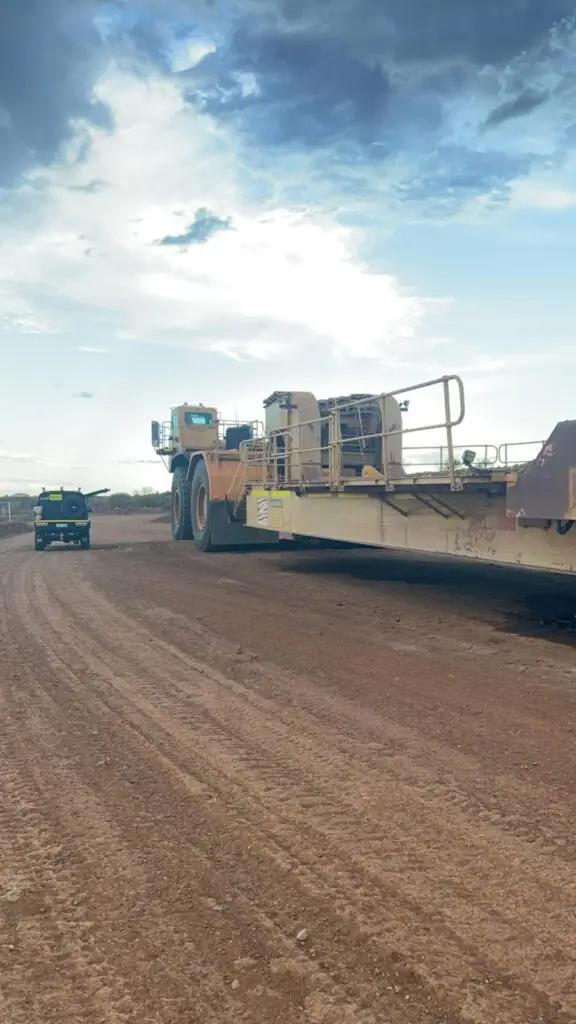
Before harvest starts, farmers around Northam need tractors, headers, loaders, trailers and other hydraulic equipment ready for long working days. A failed hose during a busy window can stop a machine and disrupt the next task. Farms around York and Merredin face the same planning challenge: check hose condition before workloads increase, and organise repairs before a small defect becomes a breakdown.
Hydraulic hoses flex, vibrate and carry pressurised fluid as equipment operates. Regular inspection, correct replacement parts and suitable routing can help identify problems early, but checks must follow the machinery manufacturer’s instructions and the farm’s safe-work procedures.
Hydraulic Hose Maintenance Before Harvest in Northam
Build hose inspections into the pre-season maintenance plan rather than waiting until equipment is needed in the paddock. Start with the operator’s manual and maintenance records to identify the required inspection intervals and any known problem areas on each machine.
Use a safe, well-lit inspection area when possible. Park and isolate equipment according to the manufacturer’s procedure, lower implements to a safe position, control stored energy and allow hot components to cool before authorised inspection. Hydraulic systems can retain pressure after the engine is switched off.
What to Check on Tractor and Farm-Equipment Hydraulic Hoses
1. Abrasion, Cuts and Cracks
Look for worn patches, cuts, cracked covers and any area where reinforcement is exposed. Hose damage can occur where a line rubs against a frame, bracket, guard, another hose or a moving component. Check the areas that flex as implements are raised, lowered or turned, following the safe inspection procedure.
A damaged hose should be assessed by a competent person and replaced when required. Do not assume tape, a sleeve or a temporary patch makes a damaged pressure hose safe to use.
2. Leaks, Bulges and Blisters
Oil residue, wet areas around a fitting, bulges or blisters can indicate a hose or connection problem. Never use your hand or fingers to search for a leak. High-pressure hydraulic fluid can penetrate skin through a tiny opening and cause a serious injury.
If you find a suspected leak, stop using the machine as required by the site procedure, keep people away and arrange a competent assessment. If hydraulic fluid may have penetrated a person’s skin, seek emergency medical care immediately even if the wound appears small.
3. Kinks, Twists and Flattened Sections
A hose should not be kinked, crushed, flattened or twisted. Tight bends or incorrect routing can place stress on the hose and fittings, especially as the tractor’s loader, steering or implement moves through its normal range.
Check that hoses are supported and routed as specified by the equipment manufacturer, with appropriate clearance from moving parts and sharp edges. Do not adjust hose routing or loosen fittings while the system is pressurised.
4. Fittings, Couplings and Supports
Look for visibly damaged or corroded fittings, signs of movement at the hose end, loose or damaged clamps and missing guards. A leak at a coupling may indicate damage to the fitting, seal or hose assembly, so simply tightening it may not be the right repair.
If the same hose or fitting keeps failing, investigate the cause instead of repeatedly replacing the part. Routing, vibration, heat, pressure and the suitability of the assembly may all need review.
5. Hose Age and Operating Conditions
Hose covers can deteriorate with age, temperature, sunlight, chemicals and demanding use. A hose can also have internal deterioration that is not obvious from an external visual check. Follow the manufacturer’s inspection and replacement guidance, and do not rely on appearance alone to establish that a hose is fit for service.
Why Pre-Harvest Checks Matter Around York and Merredin
During harvest, farm machinery may operate for extended periods and move between tasks with limited time available for planned maintenance. Around Northam, York and Merredin, planning inspections before the busy period gives the farm a chance to identify visible hose damage, obtain correctly specified replacement assemblies and schedule competent repairs before equipment is needed.
Make an equipment list and note any hose assemblies with previous leaks, abrasion, routing issues or repeat failures. Prioritise defects that could cause a sudden loss of hydraulic function or create a safety risk. Record what was found, what was repaired and any follow-up action needed.
This is not a reason to operate a machine with a known defect until harvest is finished. If a hose is leaking, bulging, badly worn, has exposed reinforcement or shows other damage that makes it unsafe, take the machine out of service as required and arrange assessment.
How to Prepare Replacement Hoses Before the Season
When a hose requires replacement, the new assembly must suit the equipment’s pressure, fluid, temperature and application requirements. Matching only the outside appearance or the fitting size is not enough.
Where it can be done safely, record the machine make and model, the hose location and any visible hose markings before contacting a supplier or repair provider. Do not remove a hose from a system that has not been properly isolated and depressurised by trained, authorised personnel.
Keep maintenance records and organise repairs early where possible. The correct hose, fittings and installation are important to reduce the chance of repeat failure. After replacement, the hydraulic system should be checked and tested according to the manufacturer’s procedure before the equipment returns to work.
What to Do if a Hydraulic Hose Fails During Harvest in Northam
Stop work and keep people clear of the equipment. Follow the manufacturer’s and farm’s emergency procedures to shut down and isolate the machine if it is safe to do so. Do not touch the leaking hose, loosen fittings, reach near moving components or restart the equipment to test it.
Hydraulic systems may retain stored pressure after shutdown, and raised implements can move unexpectedly. Keep clear of suspended loads and allow trained, authorised personnel to control stored energy before repairs begin. Clean up spilled oil only when the site and equipment are safe, using the farm’s spill-response procedures.
If there is an immediate danger or a serious injury, call emergency services. Suspected high-pressure fluid injection is a medical emergency and requires immediate medical assessment.
Mobile Hydraulic Hose Repair for Farms Around Northam
Merge Mechanical Services supports farming, civil, mining and transport operations across Perth and regional Western Australia. Its field division provides mobile hydraulic hose repair from fully stocked hydraulic trailers, alongside breakdown support and heavy diesel mechanical assistance for relevant equipment.
For help with a damaged hose or a recurring hydraulic issue, learn more about mobile hydraulic hose repair in Perth and regional WA. When enquiring, share the farm or site location, machine details and symptoms so the team can consider what support is suitable. Repair options and response timing depend on the equipment, parts required and safe working conditions.
Final Thoughts
Preparing tractor and farm-equipment hydraulics before harvest can help identify hose deterioration before it interrupts work. Check for abrasion, cracks, leaks, bulges, kinks, damaged fittings and poor routing, and follow the manufacturer’s maintenance instructions.
Do not operate equipment with a suspected unsafe hose, and never use your hand to find a pressurised leak. Arrange assessment by a competent person, use the correct replacement assembly and confirm the system is safe before returning the machine to service.
Further reading: Caterpillar’s hydraulic hose inspection guidance and the UK Health and Safety Executive’s guidance on high-pressure fluid injection hazards.
Contact Merge Mechanical
MERGE MECHANICAL PTY LTD
Workshop: 4 Lakewood Cove, Kenwick WA 6107
Phone: 1300 063 743

