


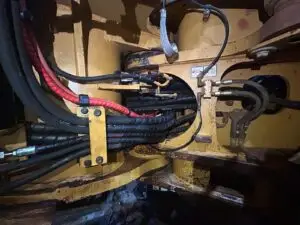
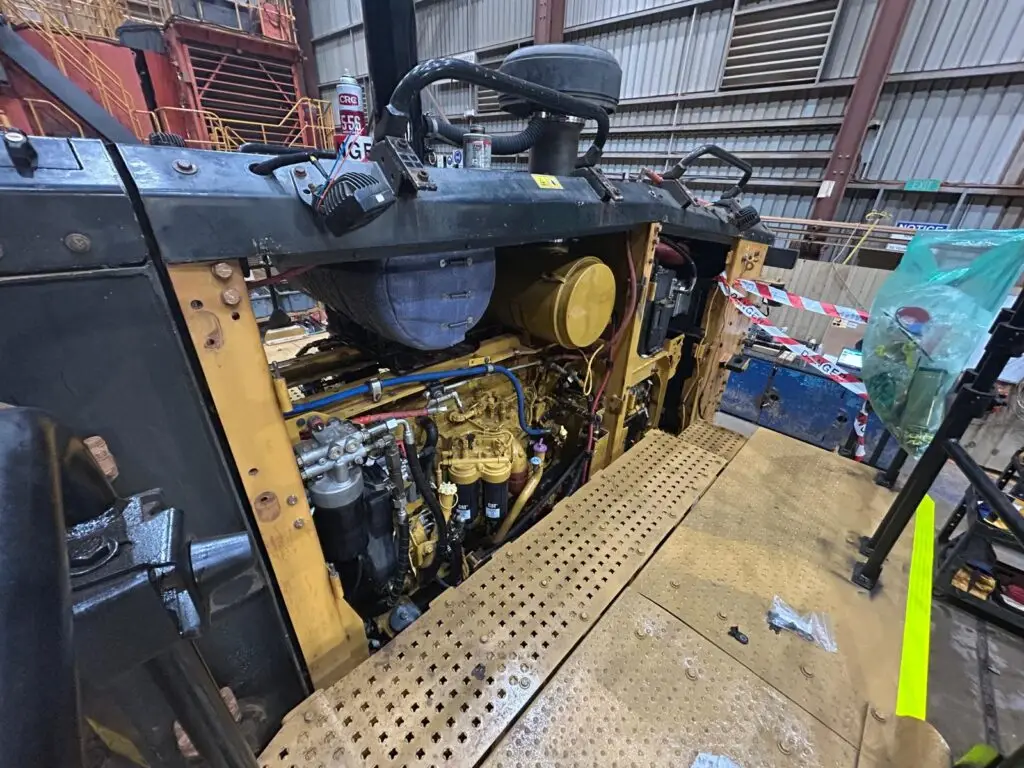
Hydraulic hoses on excavators, loaders and other work equipment around the Welshpool industrial area can be exposed to constant movement, vibration, heat and abrasive contact. When a hose fails earlier than expected, the burst or leak may be the final symptom of an issue that has been developing for weeks or months. Operators and maintenance teams working around Kewdale, Canning Vale and Maddington can help reduce avoidable downtime by looking for the cause, not just replacing the failed hose.
Three common contributors to premature hose failure are abrasion, excessive heat and incorrect routing. Hose selection, installation, pressure, movement and the condition of fittings also matter. Always follow the equipment manufacturer’s maintenance instructions and use a competent technician for inspection and replacement.
Why Hydraulic Hoses Fail Early at Welshpool Worksites
Equipment working in industrial and civil environments can repeatedly flex hoses as attachments move. Hoses may also sit close to brackets, other hoses, sharp edges or hot components. If the assembly is not correctly selected, routed, supported and protected, its service life may be reduced.
1. Abrasion: When a Hose Keeps Rubbing Against Something
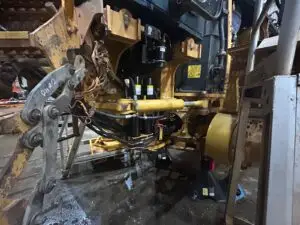
Abrasion occurs when the outside of a hose rubs against another hose, a bracket, frame, guard or other surface. Even if the contact seems minor, repeated movement can wear through the outer cover and eventually damage the reinforcement.
Warning signs include:
- Flat, polished or visibly worn patches on the hose cover.
- Cuts or areas where the outer cover is missing.
- Hoses rubbing against each other or a machine structure.
- Clamps or protective guards that are loose, damaged or incorrectly positioned.
During authorised inspections, look for the source of rubbing rather than treating the damaged section in isolation. Properly designed routing, suitable clamps and appropriate abrasion protection can help keep the hose away from moving or sharp surfaces. Protective sleeves do not make a badly damaged hose safe to keep using.
2. Heat: When the Hose Runs Too Close to Hot Components
High ambient temperatures and exposure to hot engine or exhaust components can contribute to hose deterioration. Excessive temperature can harden the hose material, reduce flexibility and lead to cracking or other damage. The temperature rating of both the hose and the fluid matters.
Potential warning signs include:
- A hose cover that appears hardened, brittle, cracked or charred.
- Visible heat damage near an engine, exhaust or other hot component.
- Damaged or missing heat shields where the original installation requires them.
- Repeated failures in the same area of the machine.
Do not rely on appearance alone to decide whether a hose is suitable for service. Have the assembly assessed against the manufacturer’s temperature and application requirements. The correct fix may involve using a hose with the required specification, improving routing or adding suitable heat protection.
3. Wrong Routing: Too Tight, Twisted or Poorly Supported
Incorrect routing places extra stress on a hose assembly. A hose that is too short may become stretched as the machine moves or the system is pressurised. A bend that is too tight can kink the hose or concentrate stress near the fitting. Twisting the hose during installation can also shorten its working life.
Check for signs such as:
- Kinks, flattened sections or bends tighter than the specified minimum bend radius.
- A twisted hose or fittings that are not aligned as intended.
- Hoses pulled tight when the boom, arm or attachment changes position.
- Insufficient support or clamps that allow the assembly to rub, whip or strike nearby components.
Hose routing needs to accommodate the machine’s full intended movement without becoming overstretched, pinched or trapped. Follow the manufacturer’s routing diagrams and hose specifications, and use suitable adapters or supports where the design requires them. Do not reposition or loosen a pressurised hose.
Other Reasons Hydraulic Hoses May Fail Prematurely
Abrasion, heat and routing are common issues, but they are not the only possible causes. A hose may fail if its pressure rating or material is unsuitable for the application, a fitting is damaged, an assembly is incorrectly made, or the operating conditions exceed its specifications.
If a hose fails repeatedly in the same place, investigate the wider system. Replacing the hose without correcting the underlying cause may simply lead to another failure. A qualified technician can assess the hose assembly, fittings, operating conditions and installation requirements.
How to Reduce Hydraulic Hose Failures in Welshpool and Kewdale
For equipment operating around Welshpool Road and nearby industrial areas, make hose condition part of the regular maintenance routine. The inspection interval should reflect the machine manufacturer’s requirements, the severity of the work and the history of previous failures.
- Inspect accessible hose covers, fittings, clamps and guards using the site’s approved procedure.
- Look for abrasion, cracking, bulges, kinks, flattening, heat damage and signs of leakage.
- Check routing and clearance throughout the machine’s intended movement, using the proper isolation procedure and authorised personnel.
- Use replacement assemblies and fittings that meet the required pressure, temperature, fluid and machine specifications.
- Record recurring defects and repairs so the cause can be investigated rather than repeatedly treating the same symptom.
Never use your hand to search for a hydraulic leak. High-pressure fluid can penetrate skin and cause a serious injury. If a leak or damaged hose is found, stop using the equipment as required by the site and manufacturer procedures, keep people clear and arrange a competent assessment. A suspected hydraulic injection injury needs urgent medical care.
When to Arrange Mobile Hydraulic Hose Repair in Welshpool
Arrange an inspection when a hose shows visible damage, leaks, fitting movement or repeat-failure signs. The urgency and repair method depend on the equipment, the fault and whether the area can be made safe for the work.
Merge Mechanical Services provides mobile hydraulic hose repair from fully stocked hydraulic trailers and supports industrial, civil, farming and transport operations across Perth and regional Western Australia. The field division also provides heavy diesel mechanics, on-site diagnostics and breakdown support for relevant equipment.
Learn more about mobile hydraulic hose repair in Perth and share the machine details, location and symptoms when requesting help. Whether a repair can be completed on site depends on the hose assembly, parts required and safe working conditions.
Final Thoughts
Hydraulic hoses often fail early when repeated abrasion wears the cover, heat damages the material or poor routing causes kinking, twisting or tension. Regular inspections and correctly specified hose assemblies can help identify these issues before they interrupt work.
If a hose is leaking, bulging, badly worn or showing exposed reinforcement, do not keep operating the machine or attempt a temporary patch. Follow the site isolation procedure and arrange assessment by a competent technician. Identifying why the hose failed is an important part of preventing the same problem from returning.
Contact Merge Mechanical
MERGE MECHANICAL PTY LTD
Workshop: 4 Lakewood Cove, Kenwick WA 6107
Phone: 1300 063 743

