


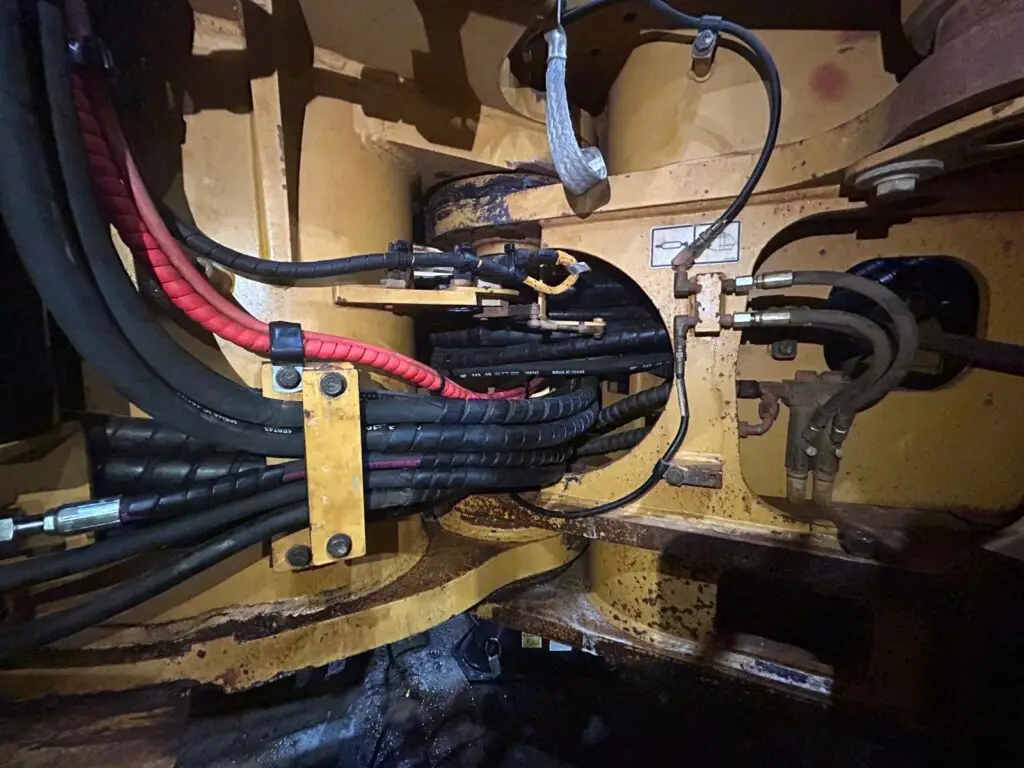
Excavators working around Hazelmere’s industrial and earthmoving sites rely on hydraulic hoses to deliver pressurised fluid to key functions such as the boom, arm and bucket. A hose that is worn, damaged or incorrectly routed can fail with little warning, creating safety risks, fluid loss and unplanned downtime. Operators working near Welshpool, Kewdale and Forrestfield should include hose condition in routine equipment checks and report concerns before the next shift.
Hydraulic hoses are exposed to pressure, heat, vibration, movement and abrasion during normal operation. The condition of the hose, fittings and routing all matter, so a quick visual check should never be treated as a substitute for maintenance in line with the machine manufacturer’s instructions.
Hydraulic Hose Failure Signs to Watch For in Hazelmere
Before operating an excavator, look for visible signs of deterioration from a safe position and follow the equipment’s inspection procedure. If you notice a defect, do not put the machine back into service until it has been assessed by a competent person.
1. Cracks, Cuts or Abrasion on the Outer Cover
Repeated contact with a bracket, sharp edge, other hose or part of the machine can wear through the hose cover. Cracks, cuts, heavy abrasion or exposed reinforcement are signs that the hose assembly may no longer be safe to use.
Pay particular attention to areas where hoses move as the boom and arm articulate, and where clamps or guards may have shifted. A damaged cover should be assessed and the hose replaced where required, not wrapped over and returned to service without checking the underlying damage.
2. Bulges, Blisters or Soft Spots
A bulge, blister, soft patch or unusual change in the hose’s shape can indicate internal damage or deterioration. Do not squeeze or press the area to investigate it. Mark the concern from a safe location and arrange inspection according to the machine’s isolation procedure.
3. Hydraulic Fluid Around a Hose or Fitting
Oil on the outside of a hose, dampness around a coupling or a visible fluid leak may indicate a damaged hose, faulty connection or another hydraulic-system issue. A small leak should not be dismissed because it appears minor: fluid under pressure can escape through a very small opening and cause serious injury.
Never use your hand to find a hydraulic leak. Do not touch the hose or fitting to check whether it is leaking. Shut the equipment down and have the system made safe and inspected by trained personnel.
4. Kinks, Twisting or Flattened Sections
A hose that is kinked, twisted, crushed or flattened may have been installed incorrectly or damaged during machine movement. Incorrect routing and bends tighter than the hose’s specified minimum radius can contribute to premature failure.
Follow the manufacturer’s routing and installation requirements. Do not try to straighten or reposition a hose while the system is pressurised or the machine could move.
5. Damaged or Moving Fittings
Inspect the hose ends and fittings from a safe position for visible corrosion, cracks, damage, looseness or signs that a coupling has moved along the hose. A leak near a fitting is not always solved by simply tightening it. The connection and hose assembly need to be assessed using the correct procedure and parts.
6. Hardening, Heat Damage or Discolouration
Hose material can deteriorate with age, heat, fluid exposure and operating conditions. A hose that has become unusually hard, brittle, heat-cracked or charred needs prompt attention. Check for nearby heat sources and follow the manufacturer’s recommendations for hose selection, protection and replacement.
7. Changes in Excavator Performance
If the boom, arm, bucket or another hydraulic function begins to move differently, loses power or behaves inconsistently, the cause may involve more than a hose. A hydraulic fault, low fluid level, pump issue or another component can produce similar symptoms.
Stop using the machine if its behaviour could create a hazard. Do not keep cycling the controls to reproduce the problem; arrange a proper inspection.
What to Do If You Suspect an Excavator Hydraulic Hose Is Failing in Hazelmere
If you identify a damaged hose, a leak or another warning sign, take the machine out of service in accordance with your site and manufacturer procedures. Park it in a safe location where possible, lower attachments to a safe position if this can be done without exposing anyone to danger, shut the equipment down and prevent unintended operation.
Hydraulic systems can retain stored pressure even after the engine is switched off. Follow the manufacturer’s depressurisation and isolation procedure, and keep people clear of suspended loads and components that could move unexpectedly. Do not loosen fittings or remove a hose unless you are trained, authorised and the system has been made safe.
High-pressure hydraulic fluid can penetrate skin and cause a serious medical emergency. If an injection injury is suspected, seek urgent medical attention immediately, even if the wound looks small.
Why Hydraulic Hose Inspections Matter for Excavators Around Welshpool and Kewdale
Excavators and other mobile plant often operate in dusty, abrasive environments and repeatedly flex their hoses as the machine works. Sites around Hazelmere, Welshpool and Kewdale may have different operating patterns, attachments and access restrictions, so inspections should follow the equipment manufacturer’s recommendations and the site’s maintenance plan.
Look for repeated rubbing, poor support, sharp bends, damaged guards and signs that the hose may contact other components during movement. If the same hose fails repeatedly, the cause may involve routing, installation, pressure, heat or the wrong hose specification. Replacing the hose alone without investigating the cause may lead to another failure.
Use suitable replacement hose assemblies and fittings that meet the equipment’s requirements. Do not mix components or select a hose based only on appearance. Keep maintenance records so recurring faults and replacement history can be reviewed.
When to Arrange Mobile Hydraulic Hose Repair in Hazelmere
Arrange an inspection as soon as a hose shows cracking, exposed reinforcement, bulging, leakage, fitting movement or other visible damage. Do not wait for a burst to confirm that something is wrong. The urgency and repair approach will depend on the equipment, the fault, site access and safe working conditions.
Merge Mechanical Services provides mobile hydraulic hose repair from fully stocked hydraulic trailers, supporting customers across Perth and regional Western Australia. The field division also provides heavy diesel mechanics, on-site diagnostics and breakdown support for relevant work equipment. Whether a repair can be completed on site depends on the hose assembly, machine and conditions at the job location.
For suitable support, read about mobile hydraulic hose repair in Perth and provide the machine details, site location and symptoms when making an enquiry.
Final Thoughts
Cracked or abraded covers, exposed reinforcement, bulges, leaks, kinked sections, damaged fittings and unusual machine behaviour can all be signs that an excavator hydraulic hose needs attention. None should be ignored, and a hose should not be handled or tested while the system is pressurised.
Follow the manufacturer’s inspection and isolation procedures, take damaged equipment out of service when required, and arrange assessment by a competent person. Early action can help reduce the risk of injury, fluid loss and avoidable equipment downtime.
Contact Merge Mechanical
MERGE MECHANICAL PTY LTD
Workshop: 4 Lakewood Cove, Kenwick WA 6107
Phone: 1300 063 743

