


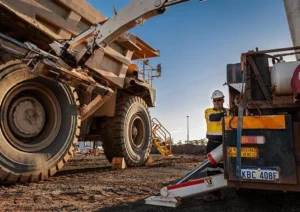
Loose or noisy pin joints on an excavator, loader or other heavy machine can be an early sign that pins, bushes or the surrounding bores are wearing. For equipment working across Perth, including civil, construction, mining and earthmoving operations, identifying the cause early can help prevent further damage and unplanned downtime. Sometimes replacing a worn pin or bush is enough; if the bore itself has become oversized, oval or misaligned, line boring may also be needed.
No single symptom confirms that line boring is required. The joint needs to be inspected and measured so the repair addresses the actual wear rather than replacing parts and leaving the underlying problem in place.
1. Excessive movement or play in the joint
Movement at a bucket, boom, stick or linkage joint can indicate clearance has increased between the pin, bush and bore. Operators may notice the attachment moving more than usual, a loose connection or a change in how the joint responds. Some movement may be part of normal operation, so the amount should be assessed against the equipment’s specifications and condition.
If movement is visibly excessive or the joint appears unsafe, stop using the machine and arrange an inspection. Continuing to operate a heavily worn joint may accelerate damage to the pin, bush and mounting area.
2. Knocking or clunking from pin joints
A repeated knock when the attachment changes direction or takes up a load can be a warning sign of clearance in a joint. However, noise can also come from other linkage parts, loose fasteners, hydraulic issues or components elsewhere on the machine. An inspection should identify exactly where the sound originates before deciding which parts need repair.
3. Pins and bushes wear out again soon after replacement
If new pins or bushes wear unusually quickly, the bore may still be out of round, out of alignment or damaged. Simply fitting another pin or bush may not correct the geometry of the joint. Measuring the bore, checking alignment and examining the surrounding material can reveal whether additional repair is needed.
Lubrication practices, contamination, operating conditions and the suitability of replacement components can also affect service life. A good assessment considers the whole joint rather than assuming line boring is always the answer.
4. Visible oval-shaped bores or uneven wear
During maintenance or disassembly, a technician may find that a bore is no longer round, has an uneven wear pattern or has damaged contact surfaces. This can stop a replacement bush from fitting correctly or allow the pin to move unevenly. Bore measurements are needed to establish the amount and location of wear.
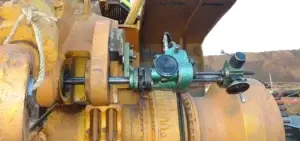
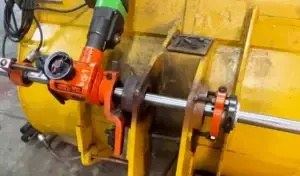
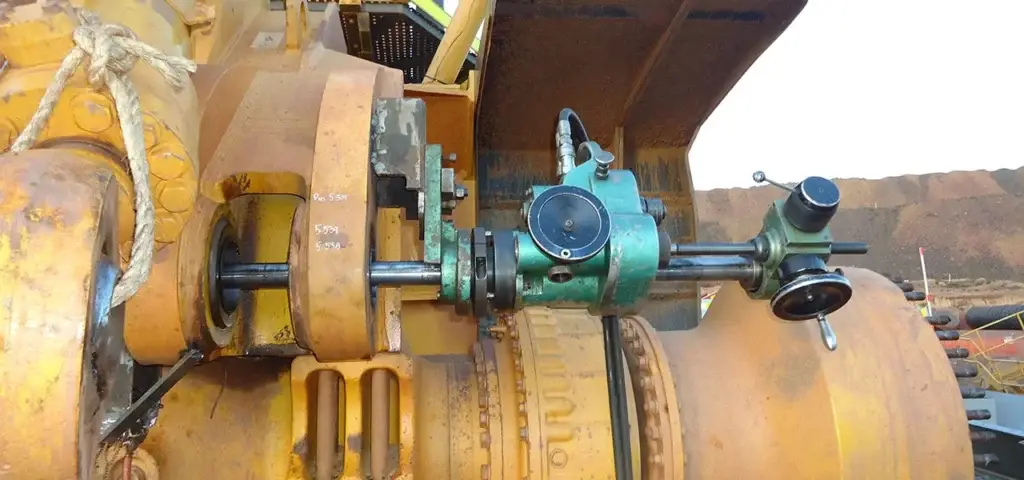
Where the component is suitable for repair, line boring can machine a bore to the required size and alignment. Depending on the damage, material restoration, bush replacement or other repair work may be required first.
5. Pins are difficult to remove or install
A pin that repeatedly binds, is difficult to align or will not fit as expected may indicate distortion, misalignment, corrosion, damage or a problem elsewhere in the joint. Do not assume that force alone will resolve the problem. A qualified technician should inspect the assembly and determine whether machining, component replacement or another repair method is appropriate.
6. Uneven contact marks, cracking or damaged mounting lugs
Wear concentrated on one side of a pin or bush, unusual contact marks and damage around the mounting lugs can point to alignment or loading issues. Cracks, significant distortion or severe material loss need particular attention. Line boring is a machining process, not a universal fix for structural damage; the component may need further assessment or a different repair approach before it can safely return to service.
What inspection confirms whether line boring is needed?
A proper inspection should look at the pin, bush, bore and surrounding structure together. Depending on the equipment and repair procedure, the technician may:
- Check joint movement and identify the exact source of any knock or looseness.
- Inspect pins, bushes, retaining arrangements and accessible mounting surfaces for wear or damage.
- Measure bore size, roundness and alignment against the relevant specification.
- Check for cracks, distortion, previous repairs and other conditions that may affect repair suitability.
- Confirm whether replacing pins or bushes alone is adequate, or whether material restoration and line boring are required.
Once the repair plan is agreed, it should identify the required dimensions, replacement components, machining or material restoration work, and the checks needed before the joint is returned to service.
Why early attention matters for Perth equipment operators
Addressing wear before it spreads can help limit secondary damage and make repair work easier to plan. The best timing depends on the machine’s condition and duty cycle, but repeated knocks, recurring pin and bush failures, or visible joint movement should not be ignored. If a structural or pivot joint is damaged or the attachment cannot be operated safely, take the machine out of service and arrange professional assessment.
Line boring support in Perth and WA
Merge Mechanical Services supports heavy-equipment maintenance across Perth and regional WA, including component repairs, line boring, fabrication and related mechanical support. Whether on-site machining or workshop work is appropriate depends on the component, degree of damage, access, safety controls and required repair standard. Confirm the scope and availability for your equipment before scheduling work.
Learn more about Merge Mechanical Services and its maintenance support, or call 1300 063 743 to discuss worn pins, bushes or mounting bores.
MERGE MECHANICAL PTY LTD
Workshop: 4 Lakewood Cove, Kenwick WA 6107
Phone: 1300 063 743

